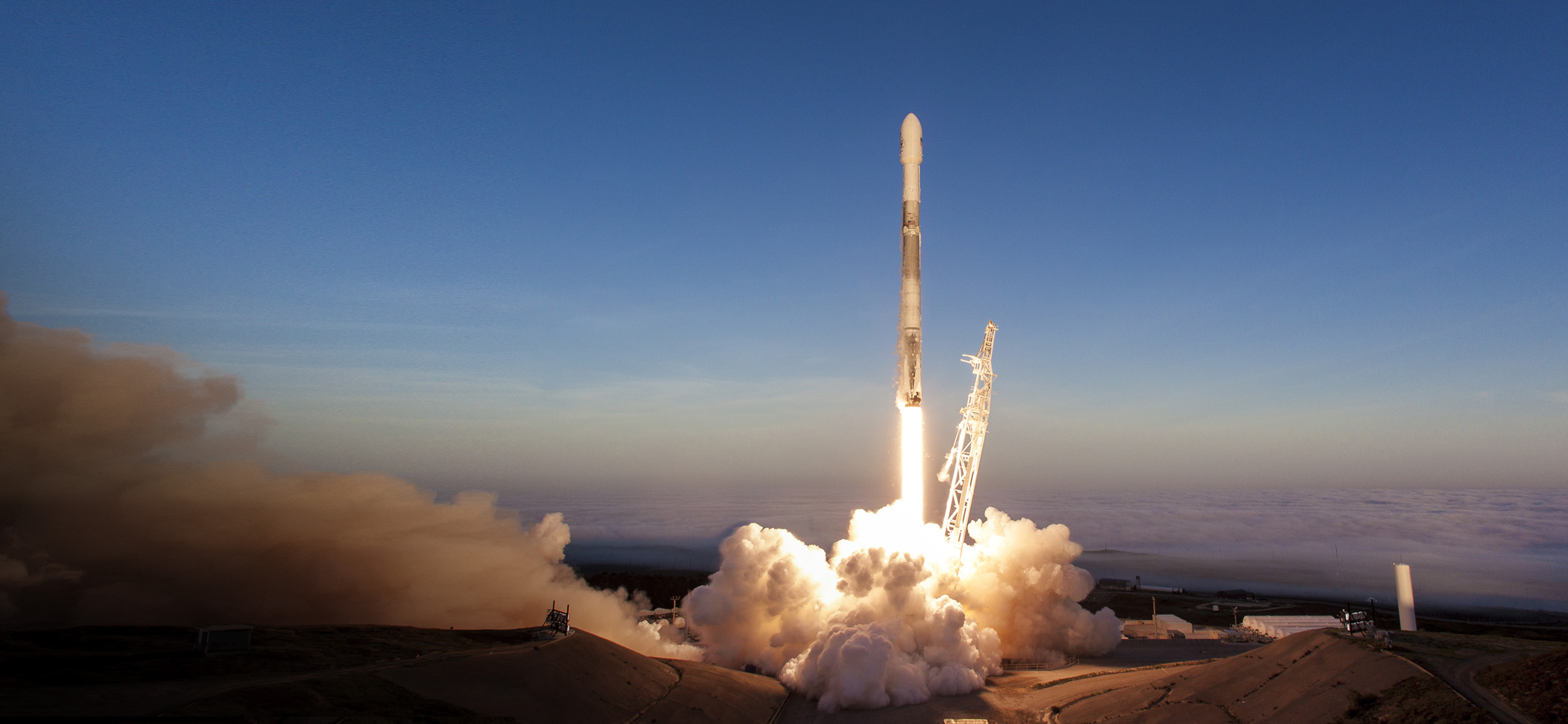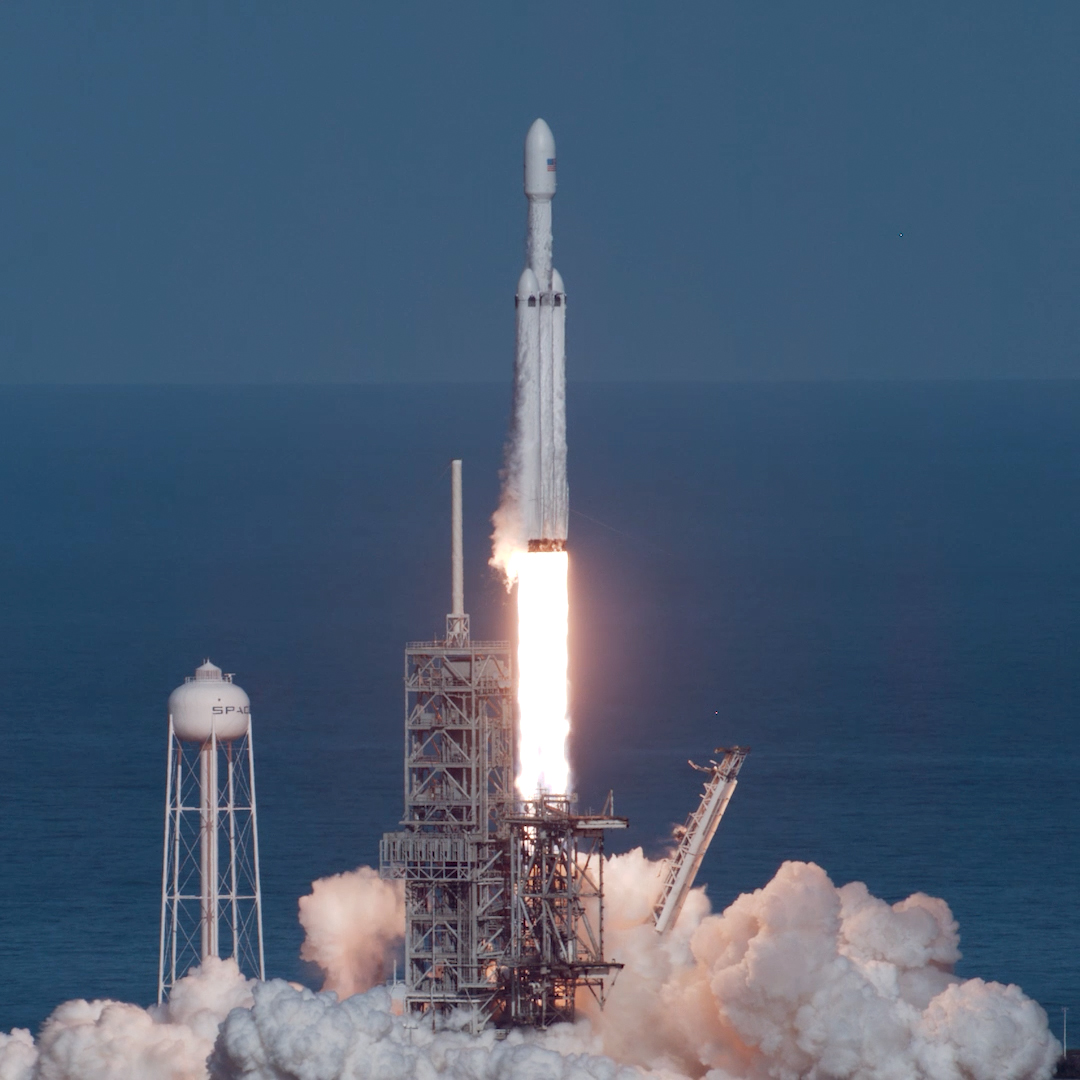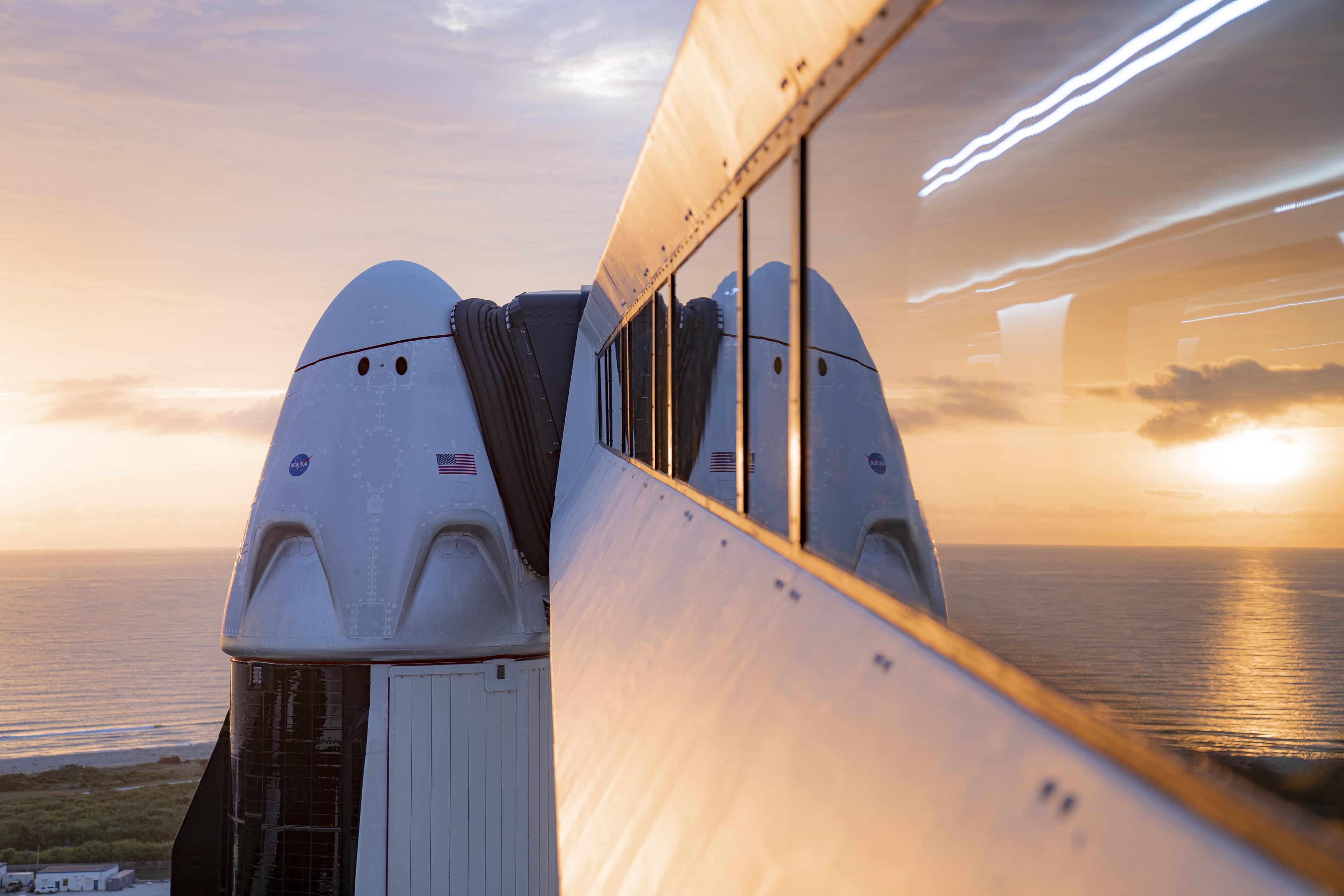
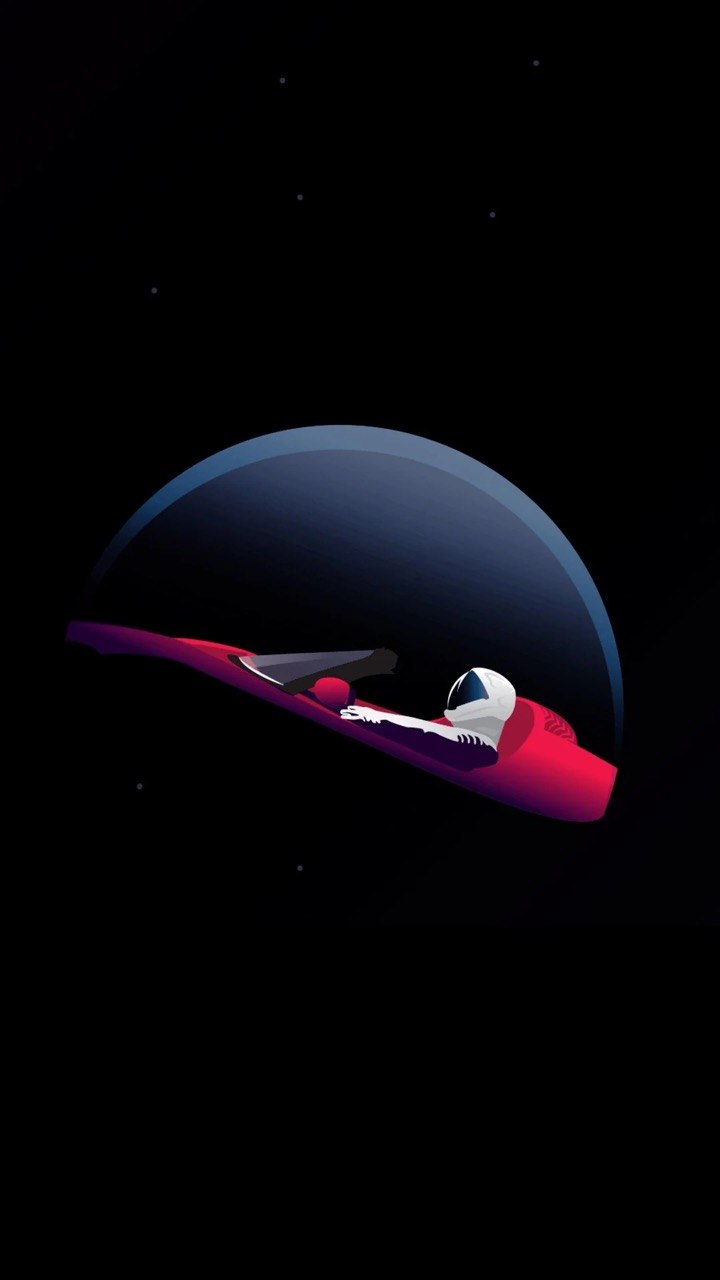
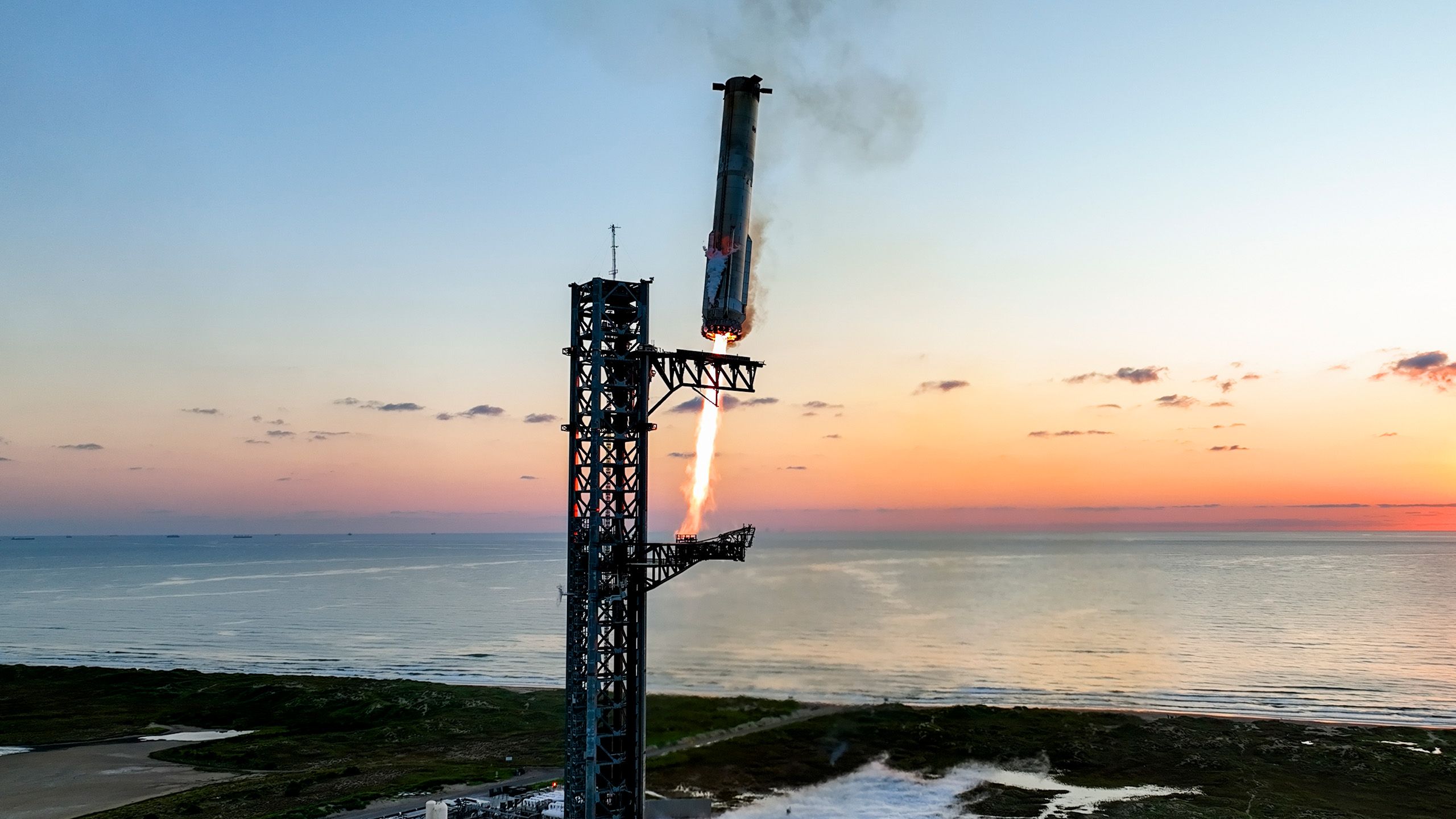
SpaceX builds and operates reusable launch vehicles and orbital spacecraft, running the world's highest-cadence launch program from pads in Florida, Texas, and California. Falcon 9 and Falcon Heavy handle the current commercial and government manifest while Starship, Starlink, and the xAI/X platforms operate as sibling ventures within the wider group.
- Valuation
- $400B+
- Change
- +4.8%
- Founded
- 2002
- Headquarters
- Starbase, TX
- Employees
- 13,000+
About SpaceX
SpaceX's core bet was that rockets could be flown more than once. Falcon 9's first stage now lands itself back on a droneship or landing zone within minutes of separation, is inspected, and flies again - the fastest boosters have turned around in three weeks. That reusability is the difference between a launch industry measured in months per vehicle and one measured in a flight almost every day.
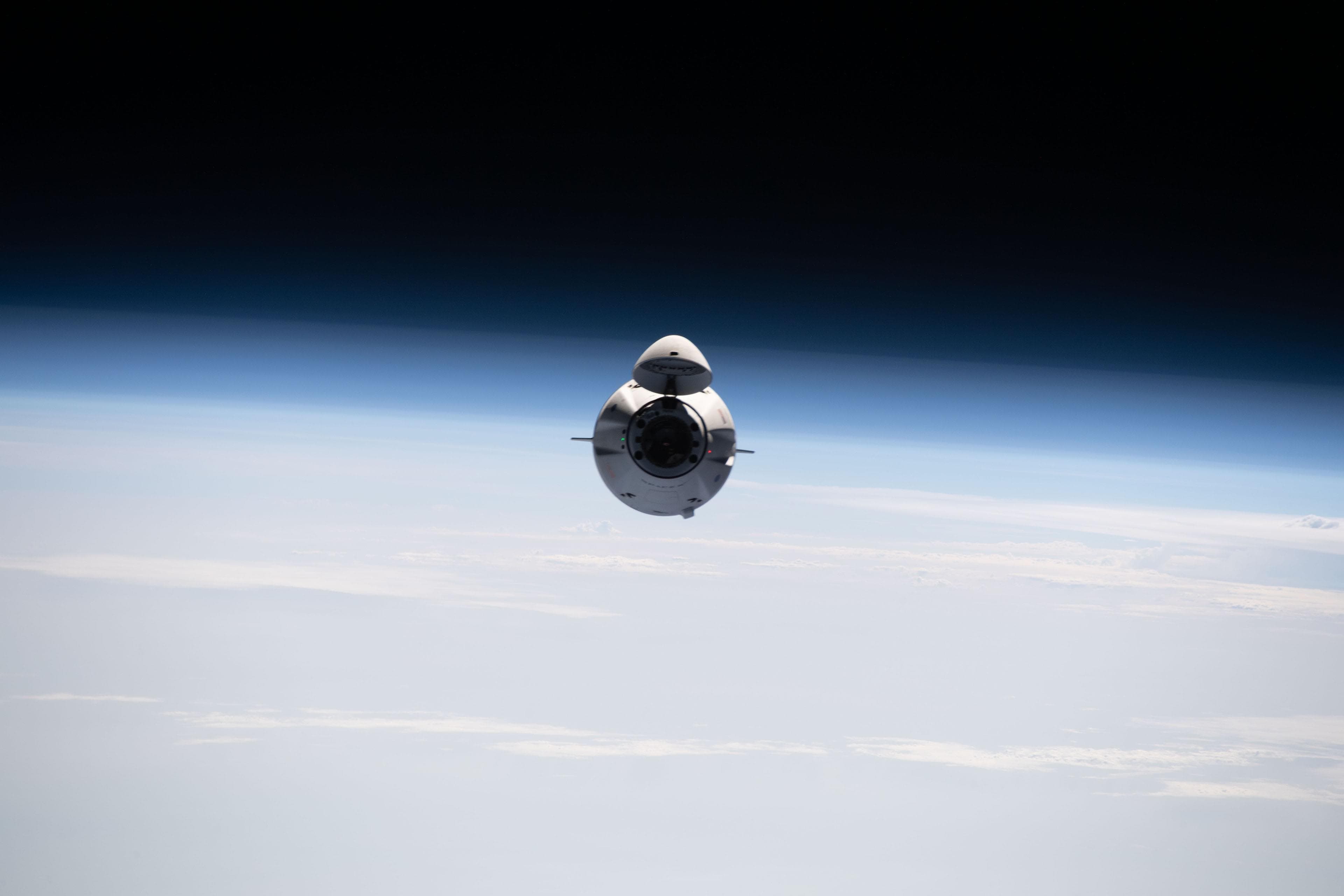
The company today runs the highest-cadence launch program in the world from pads in Texas, Florida, and California, carrying crew and cargo to the ISS, deploying the Starlink constellation, and handling the bulk of the world's commercial and national-security manifest. Starlink, Starship, and the xAI/X platforms operate as sibling ventures within the wider group, sharing manufacturing, launch infrastructure, and - increasingly - compute.
Reduce the cost of access to space enough to make life multiplanetary.
How it got here
- 2002
Founded
Started with the goal of cutting launch costs enough to make Mars settlement economically conceivable, not just technically possible.
- 2008
Falcon 1 reaches orbit
The fourth flight of Falcon 1 became the first privately developed liquid-fueled rocket to reach orbit.
- 2012
Dragon berths with the ISS
The first commercial spacecraft to dock with the International Space Station, opening the door to routine commercial cargo resupply.
- 2015
First orbital-class booster landing
A Falcon 9 first stage landed upright at Landing Zone 1, proving vertical propulsive landing at orbital velocity.
- 2020
First crewed Dragon flight
Demo-2 returned crewed orbital launch capability to the United States for the first time since the Shuttle program retired.
- 2026
650+ Falcon flights
The fleet now flies at a pace once thought impossible for orbital-class rockets, with boosters individually exceeding 20 flights.
Core pillars
Reusability by default
Every Falcon 9 mission plans for booster recovery from the outset - expendable flight is the exception, not the baseline.
Rapid cadence
A shared fleet of boosters, droneships, and pads lets SpaceX fly on a cadence closer to an airline schedule than a traditional launch program.
Vertical integration
Engines, avionics, spacesuits, and much of the ground infrastructure are designed and built in-house rather than sourced from a traditional contractor chain.
Human-rated safety
Dragon's launch abort system and NASA's commercial crew certification process anchor every design decision on the crewed side of the business.
Facilities
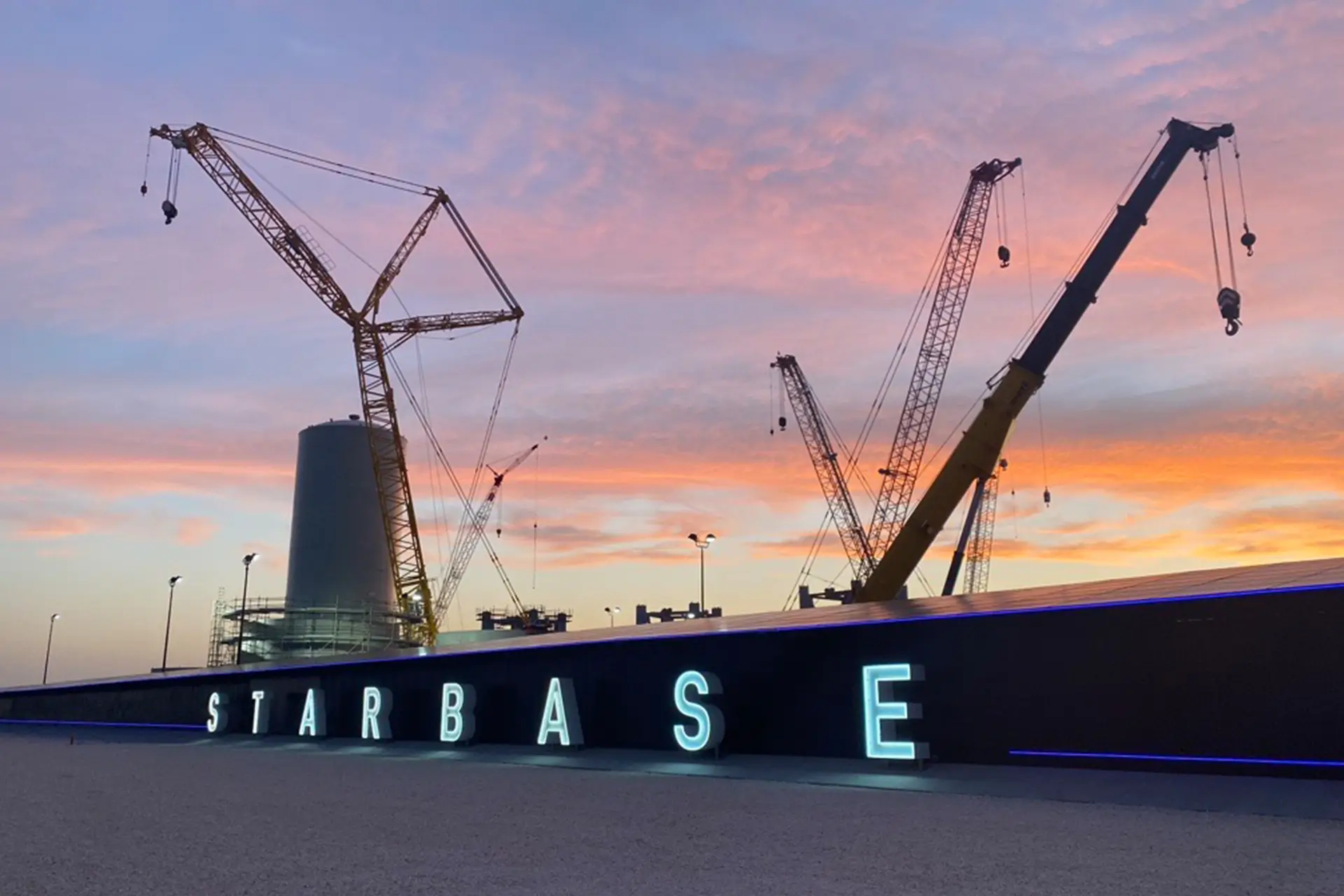
Starbase
Falcon and Dragon final assembly, alongside Starship development, integration, and both orbital launch pads.
Vandenberg Space Force Base
The primary west-coast pad, used for polar and sun-synchronous orbit missions including national-security launches.
Kennedy Space Center LC-39A
The historic Apollo-era pad, now SpaceX's primary site for crewed Dragon launches to the ISS.
Scale
How it's kept safe
- Dragon's SuperDraco abort thrusters can pull the crew capsule clear of a failing booster at any point from the pad to orbit.
- Falcon 9's nine-engine first stage retains engine-out capability - a single engine failure doesn't end the mission.
- Every crewed mission flies under NASA's Commercial Crew certification, an independent safety review layered on top of SpaceX's own qualification process.
Environmental note
Reuse is itself the sustainability story here: a booster flown 20 times replaces 20 individually manufactured rockets, cutting the raw material and energy footprint of each mission by a proportional amount.
Frequently asked
How often does SpaceX launch?+
The Falcon fleet now flies at a pace approaching one mission every few days across all three launch sites combined, though the exact cadence varies with manifest demand.
Is Falcon 9 human-rated?+
Yes - Falcon 9 paired with Dragon is certified under NASA's Commercial Crew Program and has flown crew to the ISS since 2020.
What's the difference between Falcon 9 and Falcon Heavy?+
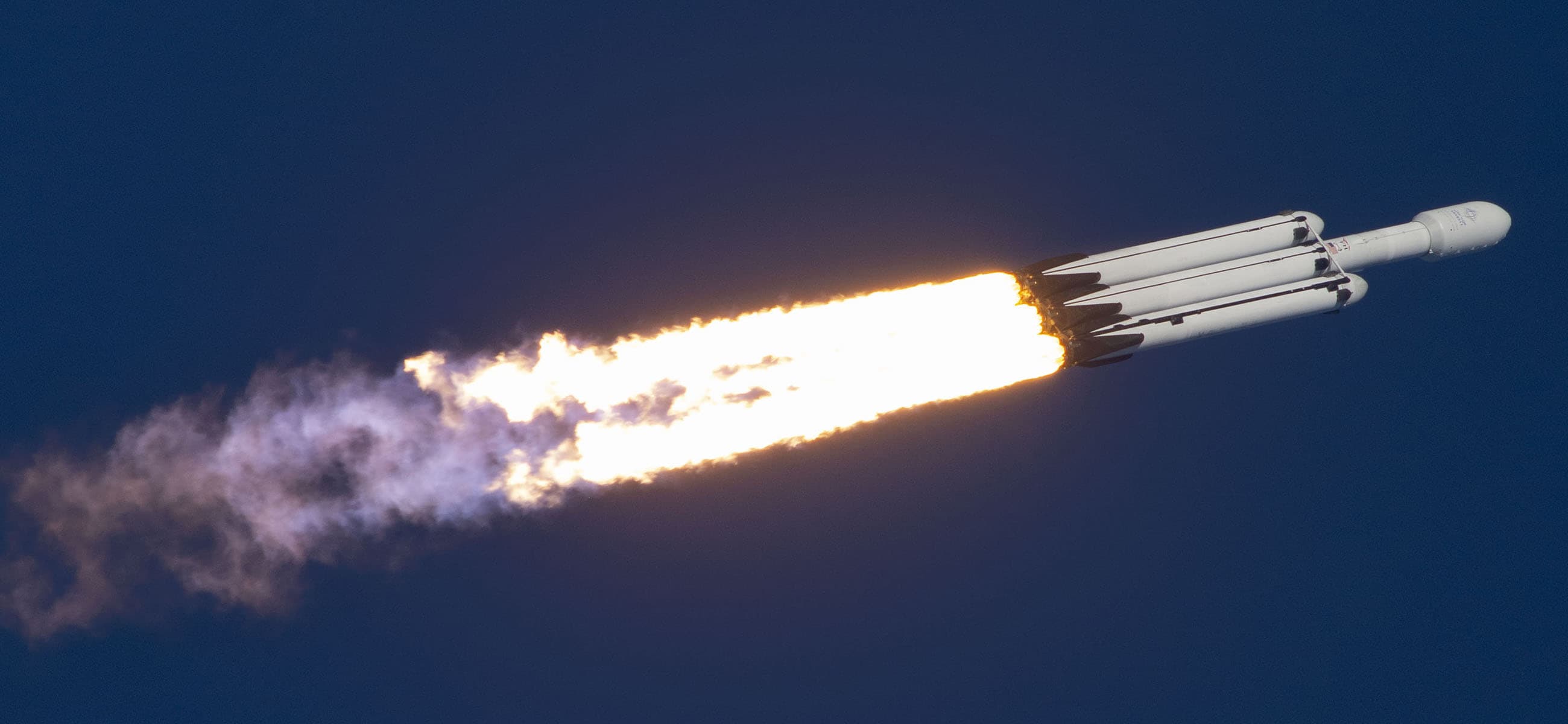
Falcon Heavy uses three Falcon 9 first-stage cores strapped together for roughly triple the payload capacity, reserved for the heaviest commercial and national-security payloads.
Can I book a dedicated launch?+
Yes - Falcon 9, Falcon Heavy, and Dragon are all listed as purchasable products with configurable options; see the products below or the vehicle order pages.