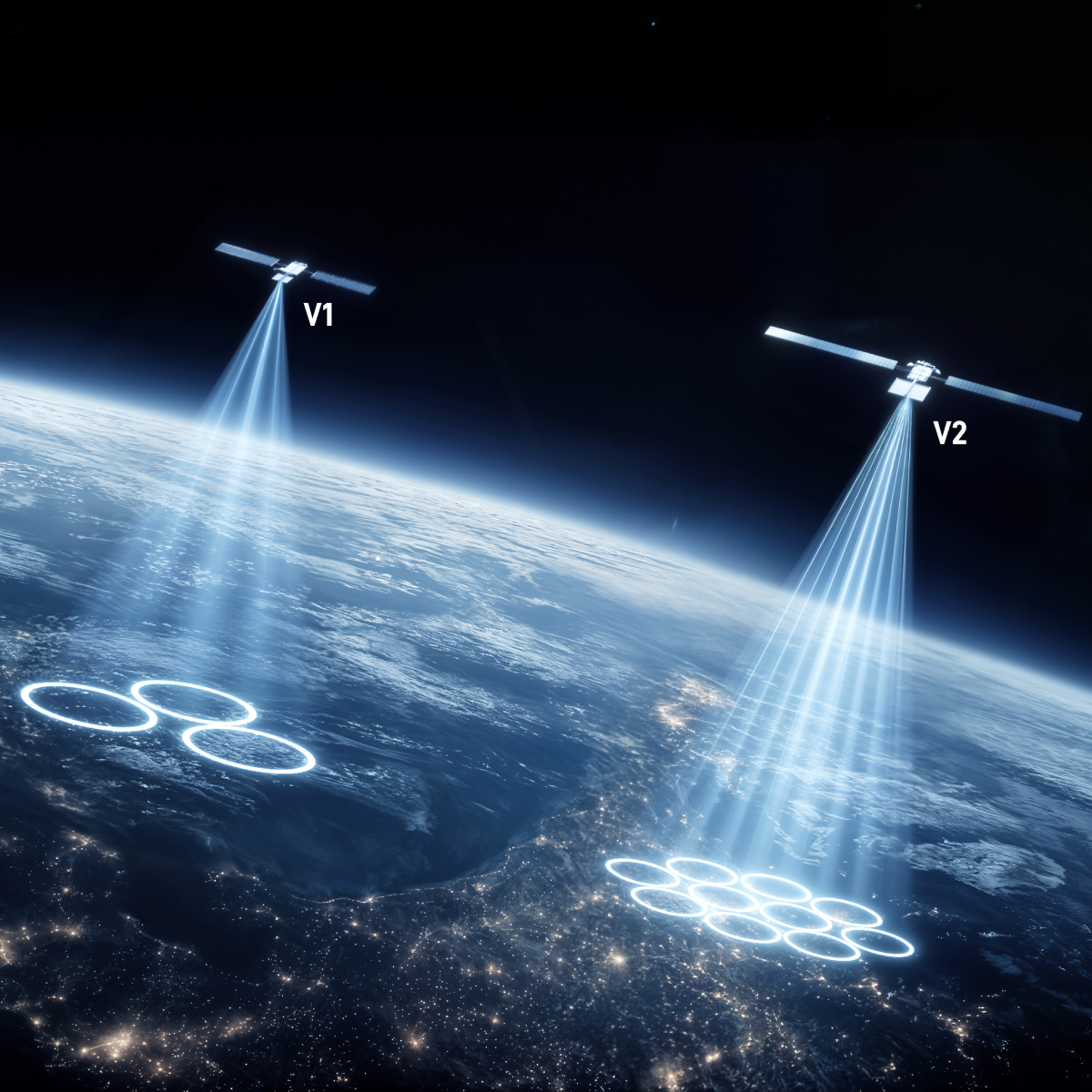

Starlink operates a constellation of low-earth-orbit satellites delivering broadband to homes, vehicles, ships, and aircraft in regions underserved by terrestrial networks. Direct-to-cell service extends coverage to unmodified phones, and the network doubles as backhaul infrastructure for SpaceX's own launch and Starship operations.
- Valuation
- $180B+
- Change
- +3.2%
- Founded
- 2015
- Headquarters
- Starbase, TX
- Employees
- -
About Starlink
Starlink operates a constellation of low-earth-orbit satellites, flying low enough to keep latency close to a wired connection while covering ground a fiber or cable buildout would take decades to reach. Homes, vehicles, ships, and aircraft in underserved regions connect through the same self-install hardware, and Direct to Cell extends basic coverage to unmodified phones without any hardware at all.
The constellation doubles as backhaul infrastructure for SpaceX's own launch and Starship operations, and every satellite batch that reaches orbit rides on the same Falcon 9 fleet that flies SpaceX's commercial and crew missions - the two businesses share a launch manifest, not just a parent company.
Deliver broadband connectivity to the places terrestrial networks can't reach.
How it got here
- 2015
Program announced
Started as an internal SpaceX division to fund deep-space ambitions with a terrestrial connectivity business.
- 2019
First production batch launched
60 satellites deployed in a single Falcon 9 flight, the first at production scale rather than as a technology demonstration.
- 2021
Public beta opens
Residential kits began shipping broadly outside the initial invite-only rollout.
- 2023
Direct to Cell testing begins
First tests of satellite-to-unmodified-phone connectivity, aiming to close cellular dead zones without new ground infrastructure.
- 2025
10 million subscribers
Crossed into double-digit millions of active residential, maritime, and enterprise subscriptions.
- 2026
125+ countries served
Coverage now spans most of the globe outside a small number of markets pending regulatory approval.
Core pillars
Low-latency LEO
Flying at roughly 550 km keeps round-trip latency in the tens of milliseconds, workable for video calls and online gaming, not just email.
Global, not just urban
The same terminal works in a suburban backyard, on a fishing trawler mid-ocean, or in a village with no prior broadband access.
Direct to Cell
Extends basic text and, progressively, voice and data coverage to standard LTE phones with no dish or specialized hardware required.
Continuous replenishment
Satellites deorbit and are replaced on an ongoing cadence, riding the same Falcon 9 fleet that flies SpaceX's other missions.
Facilities
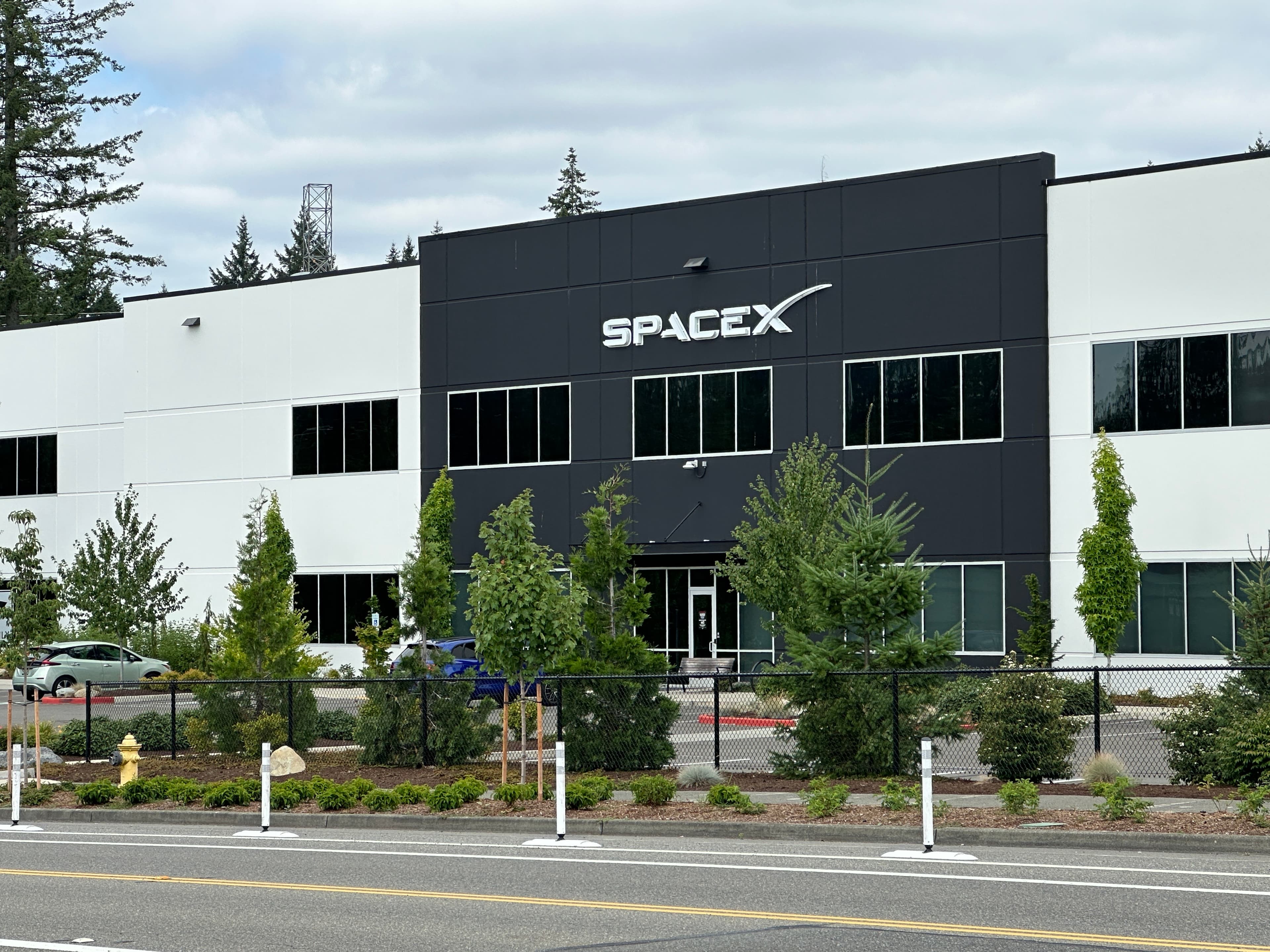
Redmond Satellite Campus
Satellite design, manufacturing, and constellation R&D, producing satellites on a continuous production line rather than in batches.
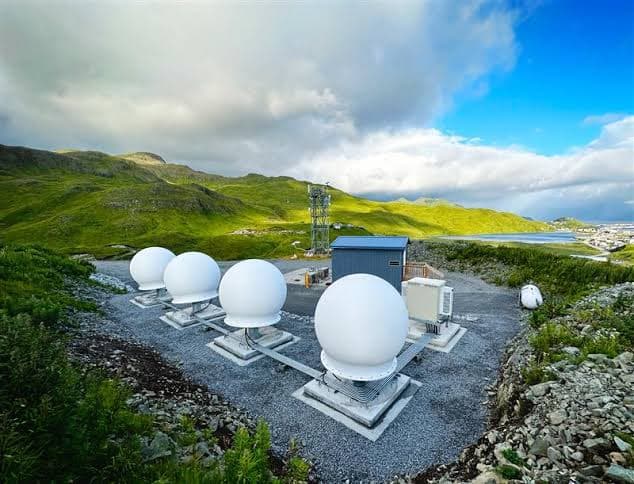
Regional Gateway Ground Stations
Ground stations that route satellite traffic into terrestrial internet backbone, sited to keep latency low across served regions.
Scale
How it's kept safe
- Satellites carry autonomous collision-avoidance systems that maneuver away from tracked debris and other spacecraft without ground intervention.
- Each satellite is designed to fully deorbit and burn up within a few years of end-of-life, rather than persisting as long-term debris.
- Spectrum use is coordinated with national regulators in every market Starlink operates in, market by market.
Environmental note
Design-for-demise means satellites are engineered to burn up completely on reentry rather than leaving debris in orbit or reaching the ground.
Frequently asked
Does Starlink work anywhere?+
Coverage spans 125+ countries, though availability in any specific location depends on local regulatory approval and network capacity.
How hard is setup?+
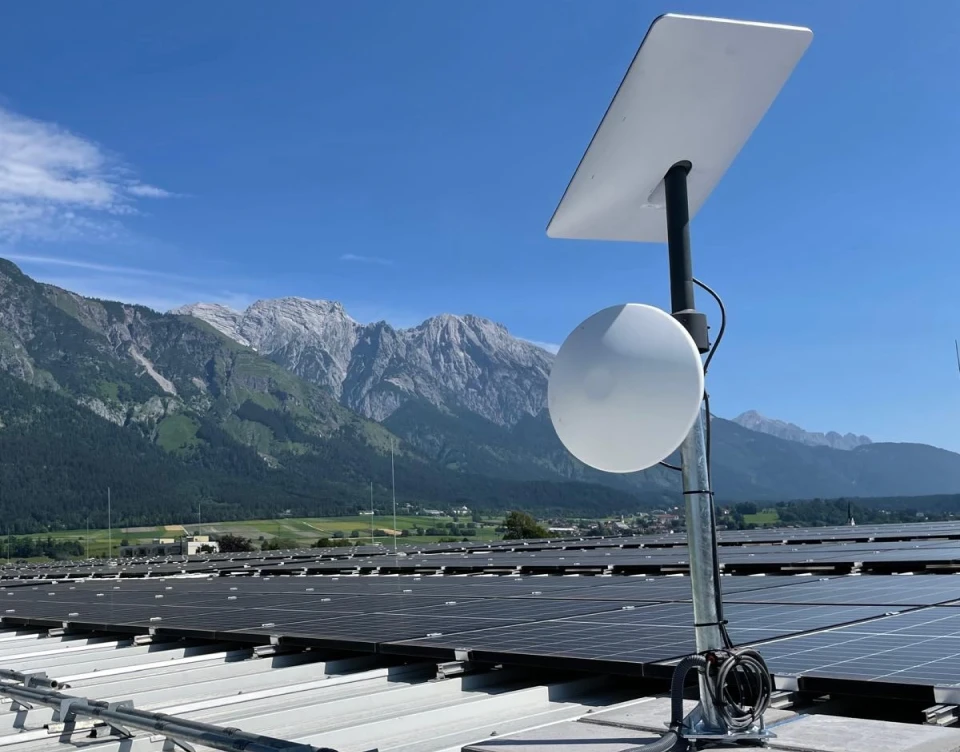
The residential kit is self-install - most customers are online in about 15 minutes using the Starlink app to find the best mounting spot.
Is there a data cap?+
Standard residential plans are unlimited; some regions and legacy plans carry different terms - check current plan details for your area.
When is Direct to Cell fully available?+
Text messaging is live in supported regions today; voice and data support is rolling out progressively as satellite capacity expands.