0%
Reusable rockets and orbital transport, flown weekly.
SpaceX builds and operates reusable launch vehicles and orbital spacecraft, running the world's highest-cadence launch program from pads in Florida, Texas, and California. Falcon 9 and Falcon Heavy handle the current commercial and government manifest while Starship, Starlink, and the xAI/X platforms operate as sibling ventures within the wider group.
Nine engines on the first stage give Falcon 9 engine-out capability - it can lose one and still complete the mission.
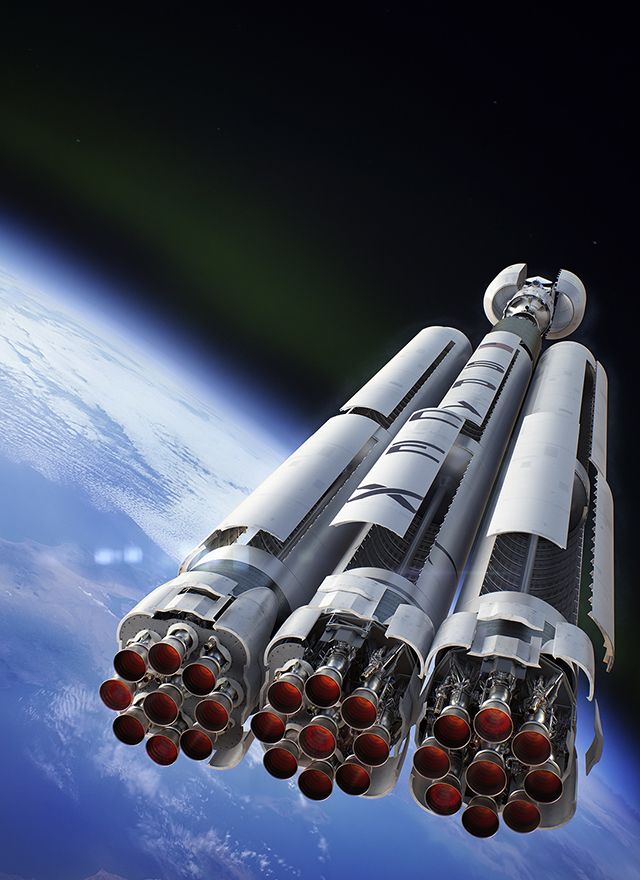
Falcon Heavy combines three Falcon 9 first-stage cores, powered by 27 Merlin 1D engines that generate more than 5 million pounds of thrust at liftoff.
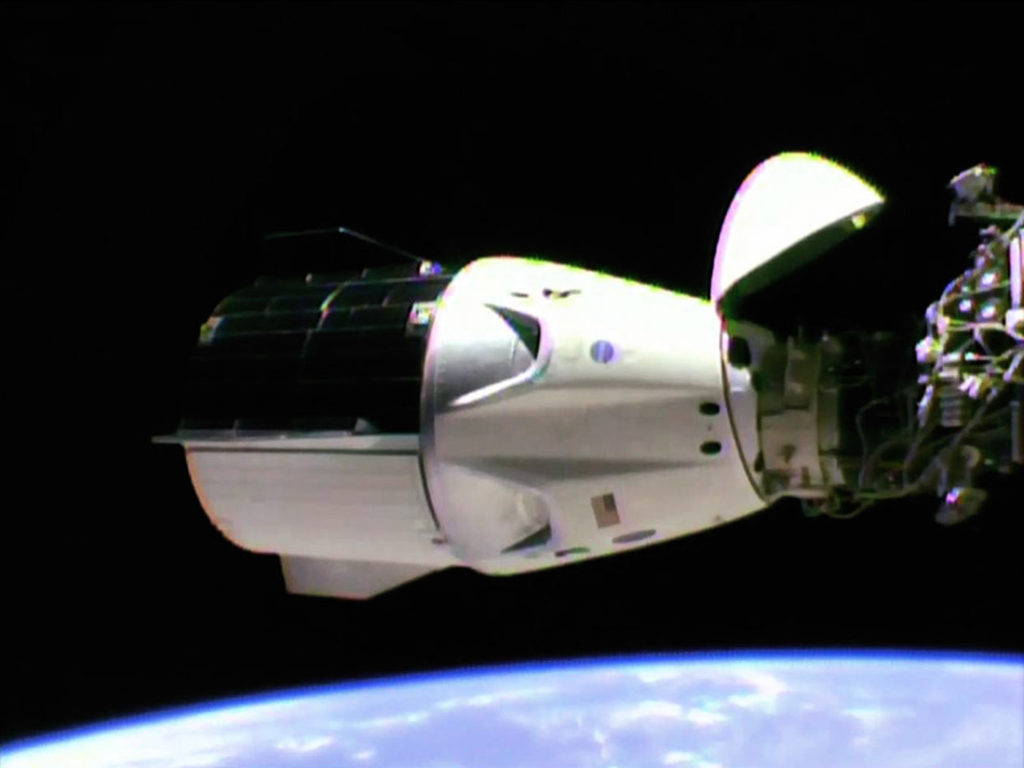
SuperDraco thrusters can pull the crew capsule away from a failing rocket at any point from the pad to orbit.
Falcon 1's fourth flight succeeded where the first three hadn't, establishing the company as a credible launch provider rather than a long-shot experiment.
A Falcon 9 first stage returned to a landing pad intact, proving the reusability concept the company's entire cost structure is built around.
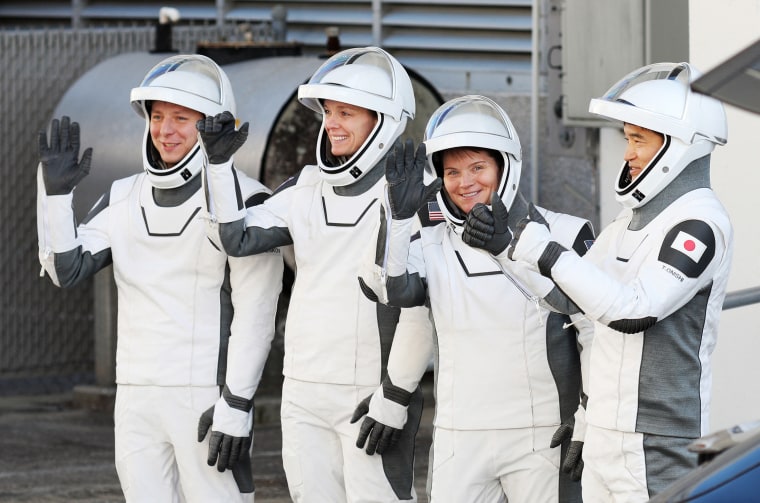
Dragon carried astronauts to the International Space Station, ending a decade of relying on foreign vehicles for crewed access to orbit.
Starship's booster returned to the pad and was caught mid-air by the tower's arms, skipping landing legs entirely on the path to rapid reuse.
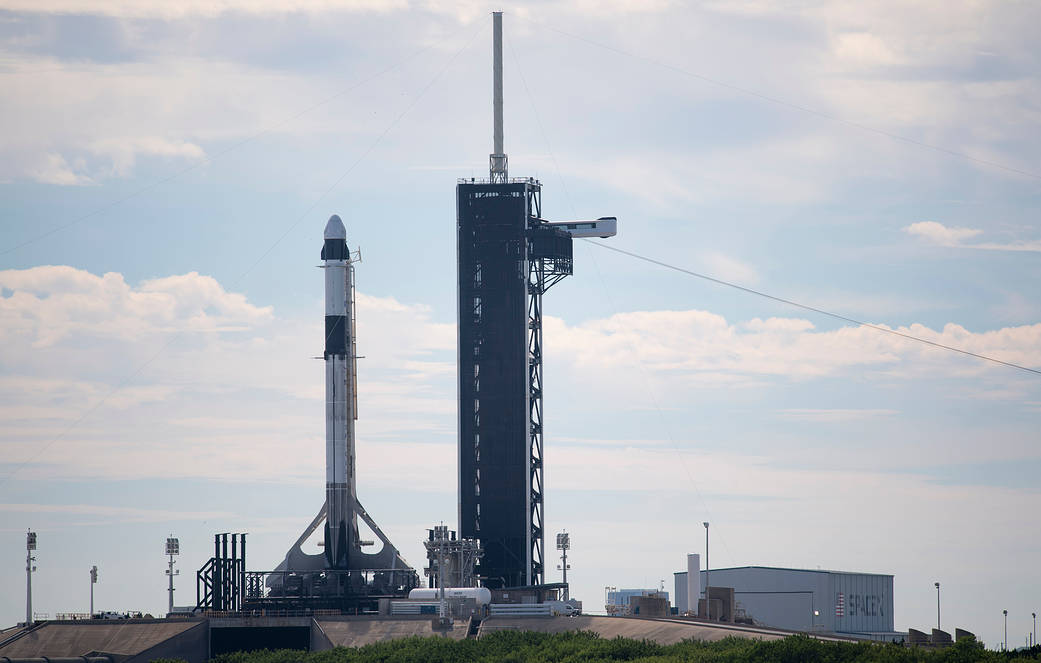
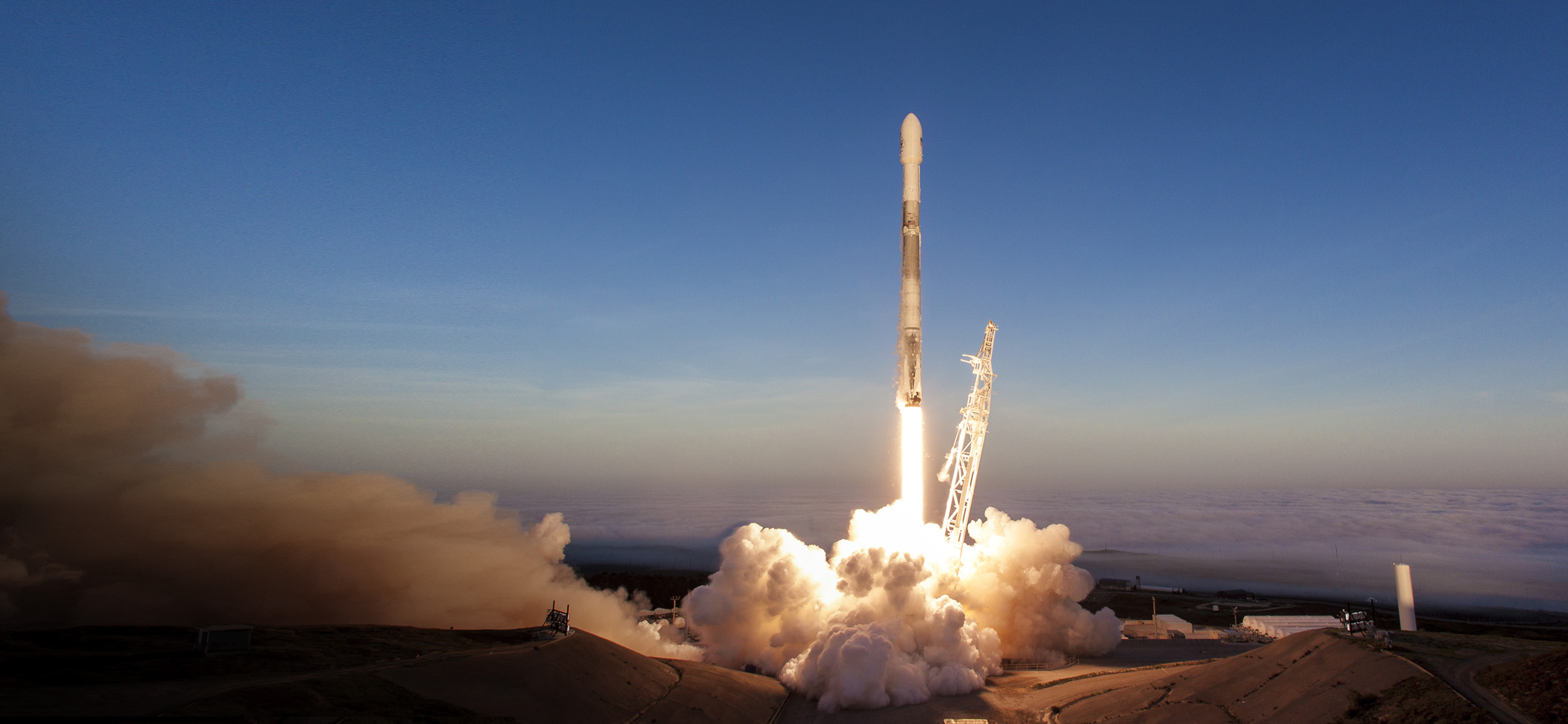
Falcon 9 is the vehicle that made reuse routine. The first stage lands itself back on a droneship or landing zone within minutes of stage separation, is inspected, and flies again - some boosters have now flown more than 20 missions. It carries crew to the ISS, deploys the Starlink constellation, and handles the bulk of the world's commercial and national-security launch manifest.
View Falcon 9Workhorse orbital launch vehicle
Nine engines on the first stage give Falcon 9 engine-out capability - it can lose one and still complete the mission.
Heavy-lift vehicle for the largest payloads
Falcon Heavy combines three Falcon 9 first-stage cores, powered by 27 Merlin 1D engines that generate more than 5 million pounds of thrust at liftoff.
Crew and cargo spacecraft to orbit
SuperDraco thrusters can pull the crew capsule away from a failing rocket at any point from the pad to orbit.
Early looks at what SpaceX is building next - previews and prototypes, not yet available to buy.