
Neuralink
Restoring motor and sensory function through neural interface.
Neuralink develops implantable brain-computer interfaces designed to restore motor function and communication for people with paralysis, and is developing Blindsight, an experimental device aimed at restoring vision. The company operates through ongoing clinical trials across multiple countries.
- Valuation
- $9.7B
- Change
- +3.6%
- Founded
- 2016
- Headquarters
- Fremont, CA
- Employees
- 650+
About Neuralink
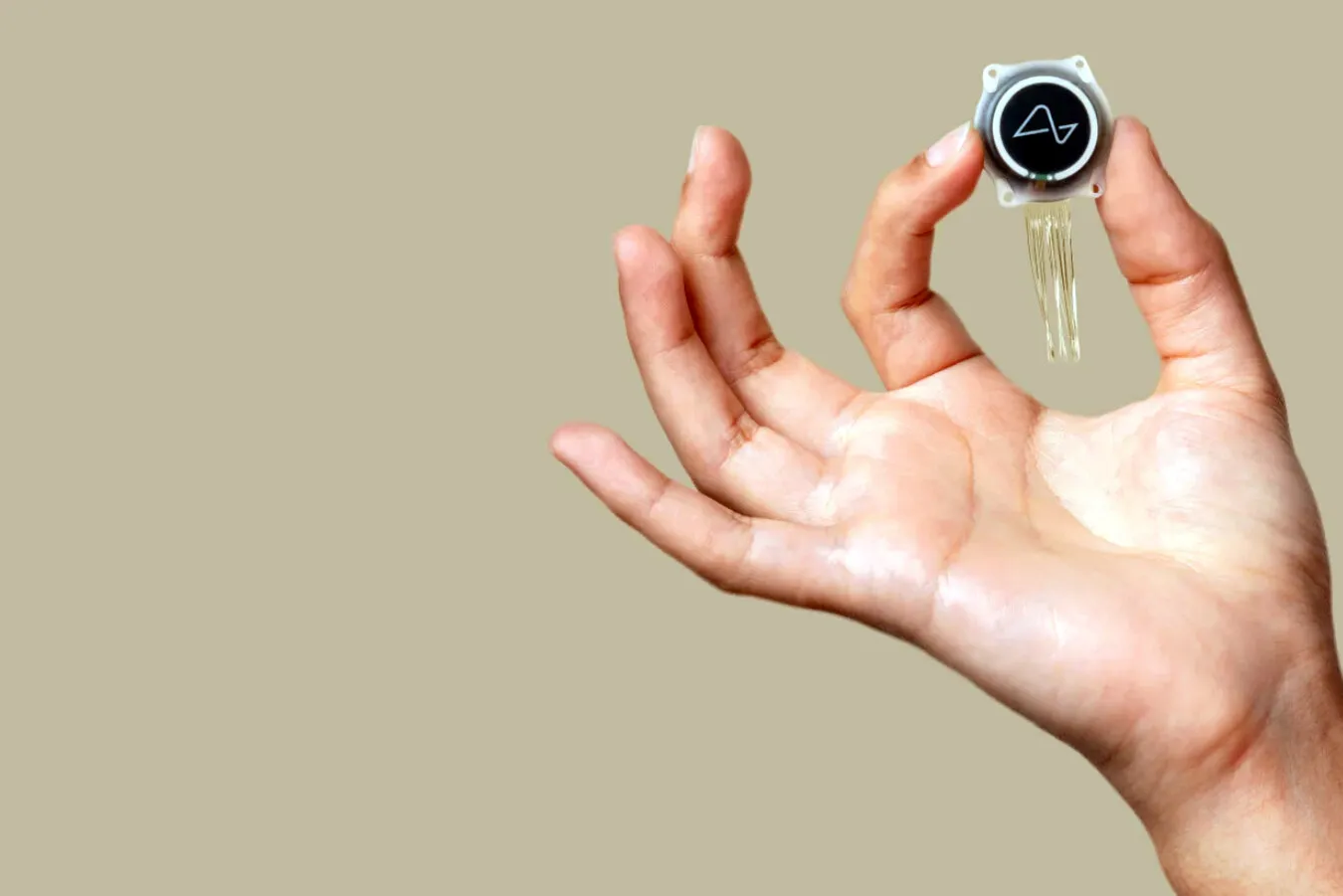
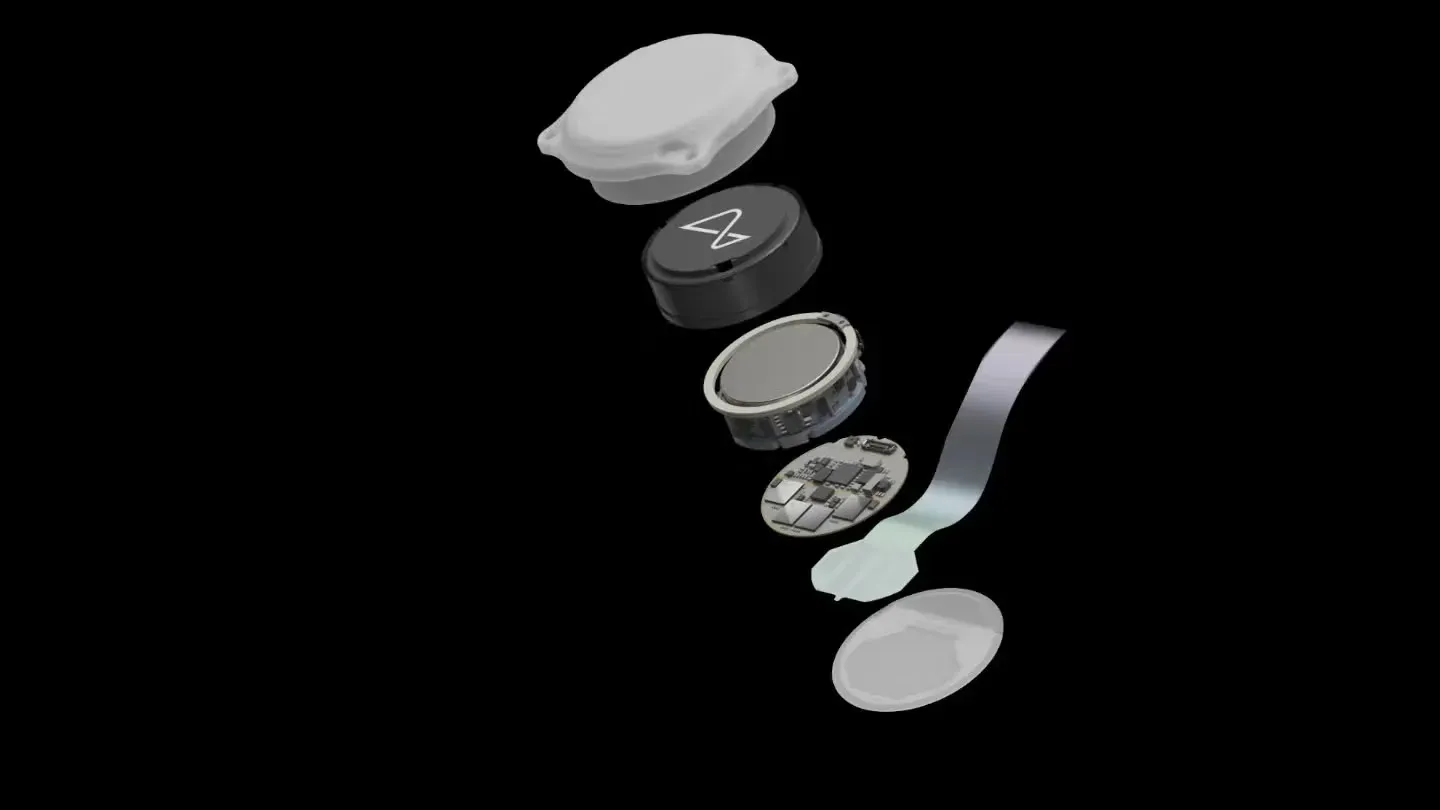
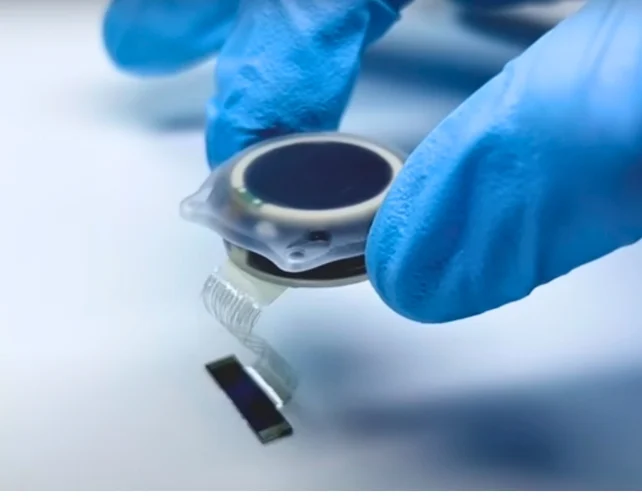
Neuralink develops implantable brain-computer interfaces that read signals from a thread array thinner than a human hair, placed by a purpose-built surgical robot with sub-millimeter precision. Trial participants have used the N1 implant to move a cursor, type, and play games by thought alone, with the device charging wirelessly overnight and requiring no external wires or ports.
This is a Class III medical device administered exclusively through an ongoing, FDA-regulated clinical trial - it is not a consumer product, and there is no retail purchase path for it. Every participant goes through an institutional review board–approved screening and informed-consent process before the surgical procedure, and the company operates under active clinical oversight across every trial site.
Restore motor and sensory function for people with paralysis or vision loss, through an implantable brain-computer interface.
How it got here
- 2016
Founded
Started to build a high-bandwidth, minimally invasive brain-computer interface.
- 2019
First public device demonstration
Showed early thread-and-robot placement technology and initial signal data.
- 2023
FDA IDE approval
Received Investigational Device Exemption approval to begin a human clinical trial.
- 2024
First human participant implanted
The first trial participant received the N1 implant and began using it to control a computer cursor.
- 2025
Trial expands to multiple countries
Additional trial sites opened outside the United States under matching regulatory frameworks.
- 2026
12+ participants across 4 countries
The trial has expanded in scale while remaining under continuous clinical and regulatory oversight.
Core pillars
Robotic thread placement
A purpose-built surgical robot places ultra-thin threads with sub-millimeter precision, avoiding surface blood vessels entirely.
Fully wireless
No external wires or ports - the implant charges inductively and streams signal over a wireless link.
Brain-computer interface software
Decodes neural signals into cursor movement, typing, and other computer inputs in real time.
Expanding to sensory restoration
Blindsight is an experimental, earlier-stage device aimed at restoring a form of vision, separate from the N1 motor-control trial.
Facilities
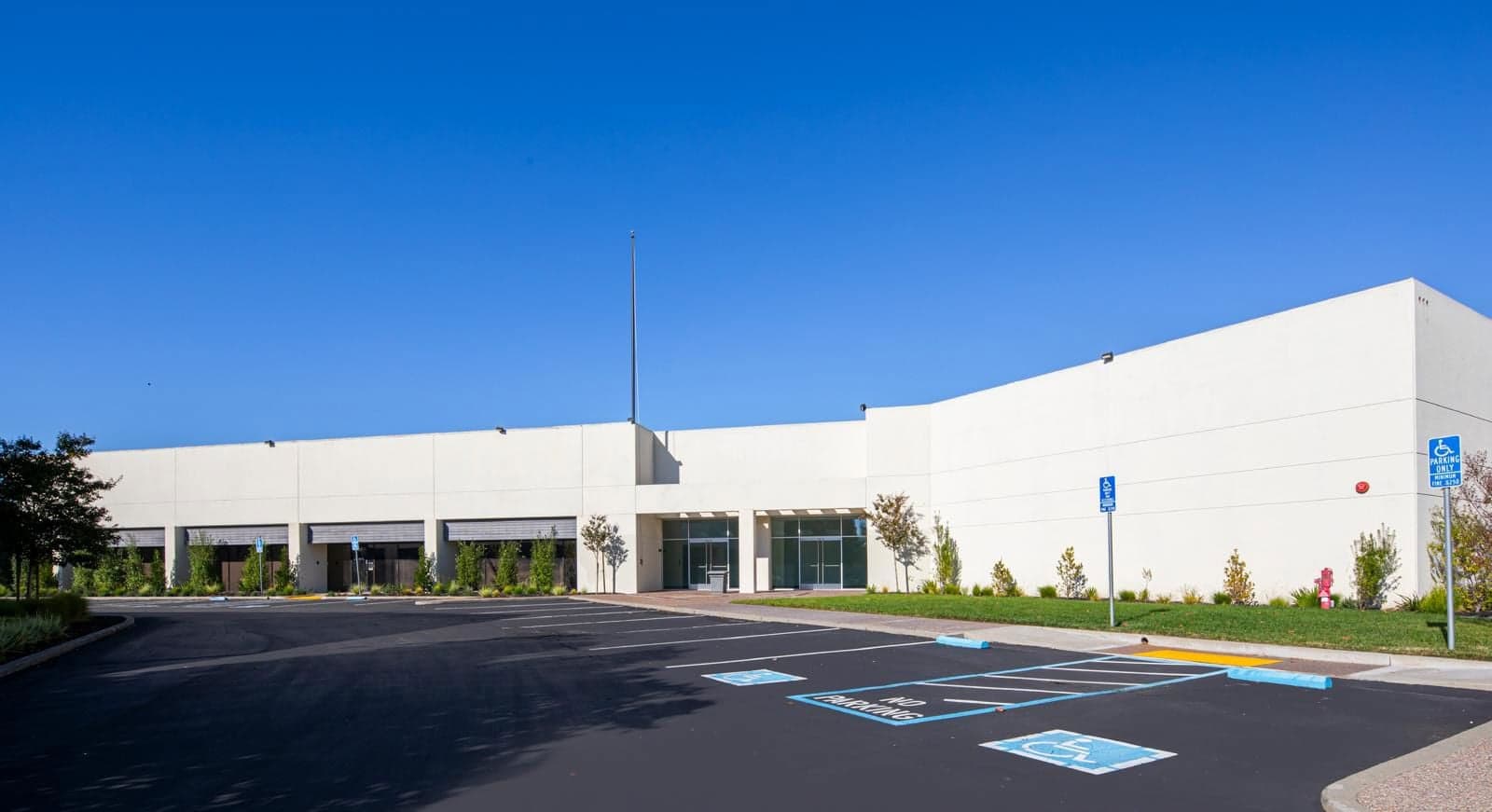
Fremont R&D & Manufacturing
Device design, robotic surgical system development, and manufacturing under medical-device quality controls.
Partner Clinical Trial Sites
Implant procedures and ongoing participant monitoring take place at hospital sites partnered with Neuralink under each site's regulatory framework.
Scale
How it's kept safe
- Every participant goes through an institutional review board–approved screening and informed-consent process before the procedure.
- The device and trial protocol operate under active FDA regulatory oversight (Investigational Device Exemption), with ongoing safety monitoring of every participant.
- Thread dimensions are designed specifically to minimize tissue damage relative to earlier-generation, more rigid brain-computer interface electrodes.
Frequently asked
Is the N1 implant available for purchase?+
No. This is an investigational Class III medical device available only to enrolled participants in the active clinical trial - there is no retail or consumer purchase path, and none is planned while the device remains in trial.
How can someone participate in the trial?+
Trial enrollment goes through a formal application and clinical screening process independent of any commercial channel - interested candidates should look for Neuralink's official trial-enrollment information rather than a product page.
What can the N1 implant do today?+
Enrolled trial participants have used it to control a computer cursor, type, and interact with software by thought alone, monitored under the trial's clinical protocol.
Is Blindsight available?+
No - it's an earlier-stage, experimental device with an FDA breakthrough device designation, not yet in the same stage of human trials as the N1 implant.